How Long Does a Steel Structure Workshop Last
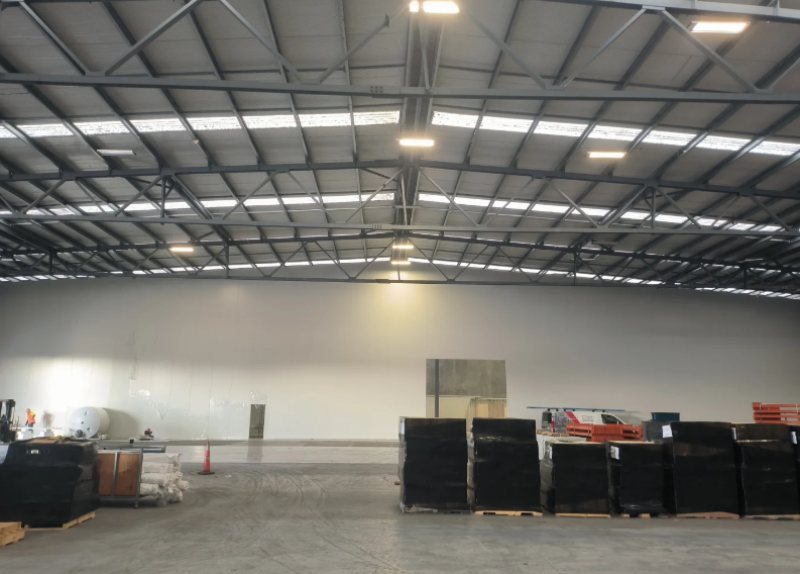
In accordance with international architectural design standards and the prevailing codes of most countries, the design service life of a steel structure workshop is typically 50 years. However, if high-quality steel and robust anti-corrosion systems are used—combined with proper maintenance—the actual service life can often reach 60 to 80 years; some well-maintained steel structures can even remain in service for over a century.
In reality, there is no single, fixed answer regarding the lifespan of a steel structure workshop. A building's longevity is not determined solely by the steel itself but is influenced by a combination of factors, including the design plan, steel quality, anti-corrosion treatments, construction quality, the operating environment, and ongoing maintenance.
This article provides a detailed overview of design life, actual service life, key factors affecting durability, and ways to extend a building's lifespan, helping you fully understand the critical aspects involved from construction through long-term use.
How Many Years Can a Steel Structure Workshop Typically Last?
Lifespans vary depending on the operating environment; the following figures serve as a reference:
Operating Environment & Maintenance | Reference Service Life |
Standard Industrial Workshop (Standard Maintenance) | 50–60 Years |
High-Quality Steel Structure Workshop | 60–80 Years |
Regular Maintenance & Robust Anti-Corrosion Measures | 80–100+ Years |
Coastal Areas with High Salt Spray (Insufficient Maintenance) | 25–40 Years |
Highly corrosive environments (e.g., chemical plants) Depends on anti-corrosion grade; usually requires more frequent maintenance
It is important to note that these figures primarily represent the period during which the building remains in good working condition; reaching the end of its design life does not mean the building must be demolished. Many steel structures can continue to be used after undergoing structural inspections and necessary maintenance.
What Is the Difference Between Design Life and Actual Service Life?
When learning about steel structures, many people mistake "design life" for the total number of years a building can be used; in reality, these are distinct concepts.
Design life refers to the target service period calculated by structural engineers during the design phase, based on national codes, load standards, and material properties. For the vast majority of industrial steel structures, this figure is set at 50 years. This means that, provided the building is used normally and maintained reasonably, it will meet design requirements and maintain structural safety throughout that period. Actual service life is influenced by a variety of practical factors. If a building is maintained in a favorable environment—where the steel remains free from severe corrosion, the roofing and drainage systems function correctly, and regular inspections and maintenance are performed—its actual service life often exceeds its initial design life.
Globally, many steel-structure buildings constructed in the mid-to-late 20th century remain in active use today. For instance, certain industrial plants in Europe, warehousing centers in North America, and steel-framed production workshops in Japan have remained operational for over 60 or even 80 years following roof renovations, anti-corrosion treatments, and the replacement of specific components. This demonstrates that for steel-structure buildings, the design life serves more as a baseline reference than as the definitive end of the building's lifecycle.
From a long-term investment perspective, the durability of a steel-structure workshop depends not solely on initial construction costs, but on the design, construction, and maintenance management throughout its entire lifecycle.
What Factors Influence the Service Life of a Steel Structure Workshop?
The ability of a steel-structure workshop to remain in stable use for decades depends on more than just the steel itself; it is shaped by a combination of factors, including material quality, anti-corrosion processes, structural design, construction quality, the operating environment, and ongoing maintenance. Issues arising at any stage can shorten the building's actual service life. Therefore, when planning a steel-structure workshop, it is crucial to focus on the building's entire lifecycle rather than just the initial construction costs.
Steel quality determines the foundation of the building's durability
Steel is the primary load-bearing material in steel-structure workshops; its strength, toughness, and weldability directly impact the building's long-term stability. Structural steels such as Q235 and Q355 are commonly used in industrial projects; Q355, in particular, is widely utilized for large-span and heavy-duty workshops due to its superior load-bearing capacity.
Beyond the steel grade, the quality of the raw material is equally important. Structural steel that meets international standards offers more stable mechanical properties, helps mitigate risks associated with fatigue deformation and structural damage, and lays the groundwork for decades of safe operation.
Anti-corrosion treatment determines the longevity of the steel structure
While steel possesses high inherent strength, it is susceptible to rust and corrosion when exposed to humid conditions or salt spray over extended periods. Consequently, the performance of the anti-corrosion system often directly dictates the actual service life of the steel-structure workshop. Currently, most projects employ processes such as abrasive blasting for rust removal, multi-layer anti-corrosion coating, or hot-dip galvanizing.
Generally, high-performance anti-corrosion coatings provide approximately 15 to 25 years of protection. In contrast, hot-dip galvanizing combined with a high-quality topcoat—given proper maintenance—can offer a service life of 40 to 60 years, making it particularly suitable for coastal and high-humidity regions.
Sound structural design enhances building durability
A building's lifespan depends not only on materials but also heavily on structural design. Engineers must perform precise calculations for steel beams, columns, and connection joints—accounting for factors such as span, equipment loads, wind and snow loads, and seismic requirements—to ensure the structure maintains stable load-bearing performance over the long term.
For instance, structures in high-wind areas require enhanced wind resistance, while those in snowy regions must account for significant roof loads. If the future installation of overhead cranes or production equipment is anticipated, adequate load-bearing capacity should be incorporated during the design phase. A well-conceived structural design not only improves safety but also helps minimize future maintenance and modification costs.
Construction quality, operating environment, and maintenance practices also impact the building's lifespan
Beyond steel quality, anti-corrosion treatments, and structural design, the operational longevity of a steel structure workshop is closely tied to construction quality, the operating environment, and subsequent maintenance. Even with identical designs, the actual service life of different projects can vary by over a decade or even several decades.
Construction quality determines whether the design's intent is fully realized
Steel structures typically utilize a method involving off-site prefabrication and on-site assembly; consequently, installation precision directly affects overall structural performance. Details such as weld quality, high-strength bolted connections, joint assembly, and component verticality are critical to the building's long-term operational stability.
Professional manufacturers usually conduct component inspections, weld testing, and trial assemblies prior to shipment. These measures minimize on-site installation errors, ensuring the building can be used safely and reliably over the long term in accordance with design specifications.
The operating environment influences the rate of structural aging
Natural environmental conditions in different regions have a significant impact on the lifespan of steel structures. Steel structures are more susceptible to corrosion in coastal, high-humidity, and high-salinity environments, while those in chemical industrial parks must withstand exposure to acidic or alkaline substances and industrial exhaust gases. Additionally, in regions subject to strong winds, heavy snowfall, or cold temperatures, factors such as wind and snow loads—as well as the long-term impact of freeze-thaw cycles—must be taken into account.
Therefore, selecting appropriate steel grades, anti-corrosion systems, and building envelope materials based on the local environment during the design phase can effectively enhance the structure's durability.
Proper maintenance effectively extends service life
Steel-structured industrial facilities require ongoing management even after construction is complete. Many issues that compromise longevity—such as roof leaks, poor drainage, aging anti-corrosion coatings, or localized rusting—often develop gradually over time.
It is recommended to conduct a comprehensive inspection at least once a year, focusing on the roofing system, connection joints, and the condition of anti-corrosion coatings, with prompt repairs for any issues discovered. Routine maintenance is not only more cost-effective than large-scale refurbishment but also helps ensure the long-term, stable operation of the steel-structured facility.

What Are the Most Common Aging Issues in Steel Structure Industrial Buildings?
Over time, steel structure industrial buildings naturally exhibit signs of aging. However, most of these issues develop gradually; with regular inspections and timely intervention, the safety of the primary structure is usually not compromised. Understanding these common problems helps in formulating a more effective maintenance plan.
Corrosion of steel components and deterioration of anti-corrosion coatings
Prolonged exposure to humidity, salt spray, or chemically corrosive environments can lead to surface rust as anti-corrosion coatings age. Early rust removal and touch-up painting can effectively halt the spread of corrosion and prevent any impact on the load-bearing capacity of the components.
Roof leakage and deterioration of the building envelope
The roof is the part of a steel structure building most vulnerable to environmental factors. As sealants, skylight panels, roofing sheets, and fasteners age, rainwater may seep into the building through joints. Persistent leakage not only affects the production environment but can also accelerate steel corrosion; therefore, regular inspection of roof and drainage system seals is recommended.
Wear and tear on connection joints and structural components
With long-term use, high-strength bolts, welds, and connection joints may experience loosening or fatigue. For large-span workshops, it is also important to monitor steel beams for abnormal deflection or local deformation. Regular inspection of critical joints allows for the early detection of potential hazards, preventing minor issues from escalating into major repair projects.
How Can the Service Life of Steel Structure Industrial Buildings Be Extended?
The durability of a steel structure building depends not only on the quality of its construction but also heavily on subsequent management. Establishing a comprehensive maintenance mechanism is generally more cost-effective than undertaking large-scale repairs after problems arise, and it helps extend the building's overall service life.
Plan for durability during the design and material selection stages
A significant portion of a building's lifespan is determined during the design phase. Selecting steel that meets international standards, employing sound structural design, and using anti-corrosion systems suited to the local environment can enhance safety, reduce the frequency of maintenance, and lower lifecycle costs.
Establish a system for regular inspection and maintenance
Once the building is in use, it is recommended to conduct a comprehensive inspection at least once a year, focusing on the roof, anti-corrosion coatings, drainage systems, and key connection joints. In coastal, high-humidity, or chemical processing environments, inspection frequency should be increased, and issues addressed promptly to prevent localized damage from escalating.
Timely upgrades and reinforcement based on operational needs
If there are future plans to install overhead cranes, replace production lines, or repurpose the building, a structural assessment should be conducted in advance. Through appropriate reinforcement or localized modifications, the building can meet new load requirements while extending its overall service life. In fact, many steel-structure buildings in use for over 70 years remain stable and operational precisely because of ongoing maintenance and timely upgrades.
Can a Steel Structure Factory Remain in Use Beyond Its Design Service Life?
Yes, provided it undergoes a professional assessment. Reaching a 50-year design service life does not mean the building must be demolished. Well-maintained steel-structure factories—where the primary structure shows no severe corrosion, significant deformation, or loss of load-bearing capacity—can often continue to be used following professional inspection.
Engineers typically inspect component cross-sections, weld quality, connection joints, anti-corrosion status, and overall structural stability, while re-evaluating load-bearing capacity based on the building's current use. If inspection results meet safety standards, the building's service life can be further extended through measures such as localized component replacement, the addition of bracing, or renewed anti-corrosion treatment.
Many steel-structure industrial buildings in Europe, the United States, and Japan remain in use more than 50 years after construction, demonstrating that scientific maintenance is far more important than merely focusing on the design service life.
Which Has a Longer Lifespan: Steel Structure Factories or Concrete Factories?
When planning industrial buildings, people often compare steel structures with concrete structures.
In terms of design standards, both typically have a design service life of 50 years; there is no absolute answer as to which lasts longer.
The real difference lies in long-term maintenance and the ability to modify the structure.
Comparison Item | Steel-Structure Factory | Concrete Factory |
Design Service Life | Approximately 50 Years | Approximately 50 Years |
Long-Term Maintenance | Relatively Easy | More Complex |
Expansion & Modification | Easy | Difficult |
Component Replacement | Localized Replacement Possible | Typically Requires Large-Scale Construction |
Material Recycling | High Recycling Rate | Lower Recycling Rate |
For industrial projects that may require future production line expansion, equipment additions, or layout adjustments, steel-structure workshops generally offer greater flexibility. Even after years of service, these buildings can continue to meet new production requirements through targeted reinforcement, component replacement, or renewed anti-corrosion treatment.
FAQ about Steel Structure Industrial Buildings
Can steel structure industrial buildings generally last for 100 years?
With sound design, high-quality materials, and consistent maintenance, some steel structure buildings can indeed last 80 to over 100 years. However, the actual lifespan depends on the specific operating environment and maintenance history.
Do steel structure buildings inevitably rust?
Steel is naturally prone to oxidation; however, modern steel structures typically utilize hot-dip galvanizing or multi-layer anti-corrosion coatings. With proper maintenance, they can retain excellent corrosion resistance over the long term.
How often does the anti-corrosion coating on a steel structure building need to be renewed?
Maintenance intervals vary depending on the anti-corrosion system used. For standard coatings, inspection and potential refurbishment are generally recommended every 10 to 15 years, whereas high-performance systems and hot-dip galvanized structures typically have longer maintenance cycles.
Does roof leakage affect the lifespan of the steel structure?
Yes. If leaks go untreated for a long period, steel components may remain exposed to moisture, accelerating corrosion; therefore, prompt repair is recommended upon detecting any leaks.
Is it worth refurbishing an older steel structure industrial building?
If the primary structure remains in good condition, most steel structure buildings can continue to be used through roof refurbishment, anti-corrosion upgrades, and targeted reinforcement—options that are usually more cost-effective than complete demolition and reconstruction.
Summary
There is no single answer regarding the lifespan of steel structure industrial buildings. Sound design, high-quality steel, reliable anti-corrosion processes, and scientific maintenance are all key factors determining the building's long-term durability.
If you wish to assess the design lifespan of a project or are looking for a steel structure solution tailored to your local environment, please contact WZHBUILD. We can provide professional structural design and material recommendations based on your building's intended use, span, load requirements, and climatic conditions, helping your steel structure workshop achieve a longer service life and greater long-term value.