China Steel Structure Factories: A Guide to Choosing a Reliable Manufacturer
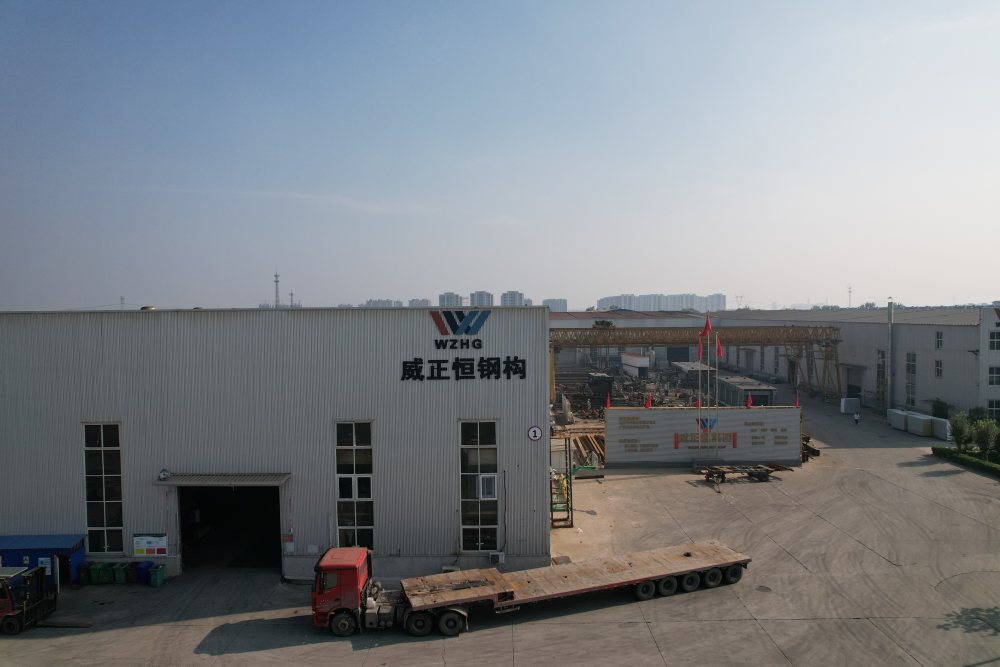
When searching for a steel structure factory in China, many people prioritize comparing price quotes but often overlook the impact that design capabilities, manufacturing quality, quality management systems, and project experience have on the overall project. In reality, a poor choice can lead not only to rework and delays but also to increased costs for subsequent installation and maintenance.
This article examines the capabilities that define an excellent Chinese steel structure factory from a project management perspective and offers tips on how to quickly determine if a manufacturer is a suitable partner for the long term.
Why Are More International Projects Choosing Chinese Steel Structure Factories?
Chinese steel structure factories are attracting global attention not only for their competitive manufacturing costs but, more importantly, for their mature supply chains, stable production capacity, and extensive experience with international projects—advantages that help drive projects forward more efficiently.
Integrated Manufacturing Systems Boost Project Efficiency
Steel structure construction projects typically involve multiple stages, including design, procurement, fabrication, transportation, and installation. If these tasks are outsourced to different companies, communication costs rise, and inconsistent standards can easily disrupt the construction schedule.
After years of development, China has established a comprehensive steel structure manufacturing ecosystem. Major factories can handle the entire production process in-house—from raw material procurement, CNC cutting, welding, and anti-corrosion treatment to packaging and shipping. For you, this means many project issues can be resolved internally at the factory, eliminating the need for constant coordination with multiple suppliers.
Beyond mere production speed, the true value of an integrated manufacturing system lies in ensuring alignment across design, production, and delivery, thereby minimizing the need for rework and on-site adjustments later in the process.
Extensive International Experience Ensures Smoother Collaboration
Different countries have varying design requirements for steel structures. For instance, coastal regions prioritize wind resistance, cold climates require consideration of snow loads, and some European projects demand compliance with stricter quality and environmental standards.
A factory with a long track record of overseas projects has typically accumulated extensive international experience. They are capable of adjusting designs to meet specific national building codes and preparing the necessary technical documentation, quality reports, and export paperwork.
While this experience may not be immediately apparent in product photos, it saves significant communication time during the project and reduces risks associated with differing interpretations of standards.
Advantage | Key Benefit | Project Value |
Comprehensive Supply Chain | Integrates procurement, fabrication, coating, and logistics under one system. | Shortens production cycles and improves coordination efficiency. |
Automated Production Equipment | Utilizes CNC cutting, robotic welding, and automated production lines. | Enhances fabrication precision and ensures consistent product quality. |
International Project Experience | Familiar with international building codes, engineering standards, and export procedures. | Facilitates compliance with diverse national standards and simplifies project execution. |
Custom Design Capabilities | Provides tailored structural solutions based on project specifications and local conditions. | Meets specific architectural, structural, and functional requirements. |
One-Stop Engineering Services | Covers design, manufacturing, quality inspection, packaging, shipping, and installation support. | Reduces communication overhead and improves overall delivery efficiency. |
Expert Tip: When comparing steel structure factories, shift your focus from price to overall service capabilities. A company offering design, fabrication, quality management, and technical support is often a better long-term partner than one that simply offers a lower quote.
The reason for choosing a Chinese steel structure factory goes beyond manufacturing costs; comprehensive engineering support capabilities are helping an increasing number of international projects improve their overall efficiency.
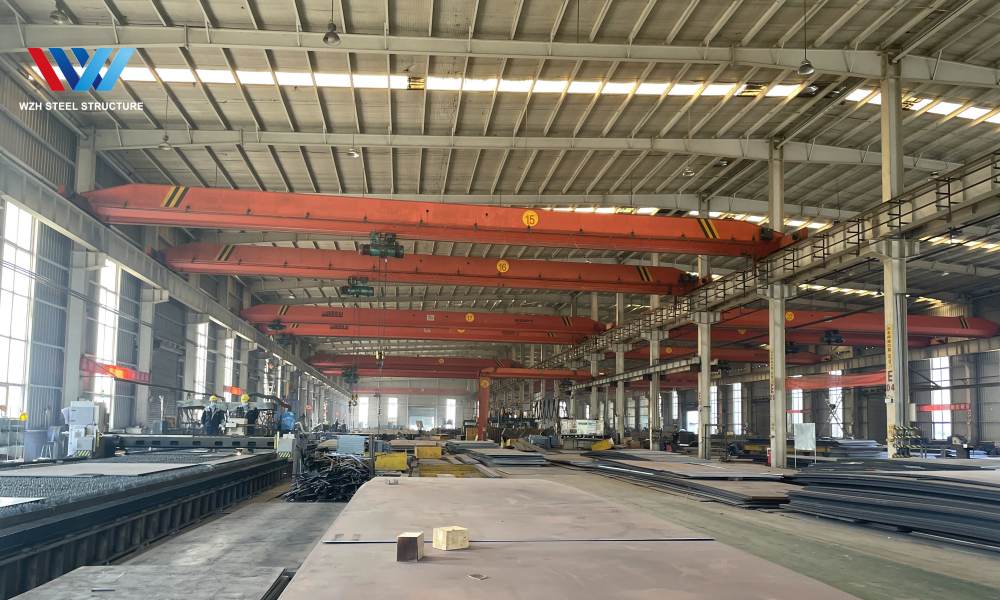
How Do You Determine If a Steel Structure Factory Possesses Genuine Manufacturing Capabilities?
Assessing a factory's reliability requires looking beyond its physical size; you must comprehensively evaluate its engineering team, production equipment, quality management systems, and project execution capabilities. These factors collectively determine whether a company can consistently deliver various types of steel structure projects.
Manufacturing capability is not defined solely by factory size
When visiting factories, many people focus first on the site area and the number of workshops. While scale reflects production capacity to some extent, it does not fully represent a company's overall strength.
What truly matters is whether the factory employs a robust production process—covering raw material management, component fabrication, welding, anti-corrosion treatment, and finished product inspection. Standardized production management ensures consistent delivery quality, even when handling multiple simultaneous projects.
Annual processing capacity is another valuable metric. For large-scale industrial projects, companies with high annual capacities typically possess more mature production organization and management capabilities.
The engineering team is often more critical than the equipment
While advanced equipment boosts fabrication efficiency, the quality of the steel structure ultimately hinges on engineering design capabilities.
Top-tier steel structure factories employ professional design teams capable of performing structural calculations based on factors such as building span, wind and snow loads, and local building codes. They also provide detailed fabrication drawings, bills of materials, and installation plans.
Aligning design, fabrication, and installation not only minimizes on-site modifications but also effectively controls the overall construction schedule.
For complex projects, an experienced engineering team is often more valuable than simply adding more production equipment.
Expert Tip: Instead of simply asking how many machines a factory owns, inquire whether they employ professional structural engineers and possess the capability to independently handle detailed design and technical support. These capabilities are often better indicators of a company's overall competence.
A steel structure factory with genuine manufacturing capabilities does more than just produce steel components; crucially, it ensures the successful execution of a project through integrated design, manufacturing, and engineering management.
How Can You Verify If a Chinese Steel Structure Factory Is Trustworthy?
A reliable steel structure factory typically provides authentic company information, a comprehensive portfolio of past projects, standardized quality documentation, and transparent communication. These tangible details offer a more accurate reflection of the company's overall strength than promotional materials alone.
Gauging factory experience through real-world projects
Completed projects offer greater insight than mere product photos. A factory with a long history of exporting overseas will typically have accumulated experience across various countries and building types—such as industrial plants, logistics warehouses, commercial buildings, or aircraft hangars.
When reviewing case studies, pay attention to the project location, building function, and scale, rather than focusing solely on renderings. If a company can provide details regarding the project background, construction process, and final delivery, it indicates a high level of authenticity.
Such experience also implies familiarity with international shipping, local building codes, and project coordination workflows, which can significantly reduce unnecessary communication overhead during future collaborations.
Transparent communication fosters trust
Nowadays, preliminary discussions for most international projects take place via video conferencing, making online interaction a key method for vetting a factory.
A mature steel structure company is usually willing to arrange a virtual factory tour, allowing you to directly observe the production workshop, processing equipment, and quality inspection procedures, while also enabling engineers to answer technical questions on the spot.
Compared to polished promotional videos, a real-time showcase of factory operations better demonstrates the company's openness and reflects confidence in its own manufacturing capabilities.
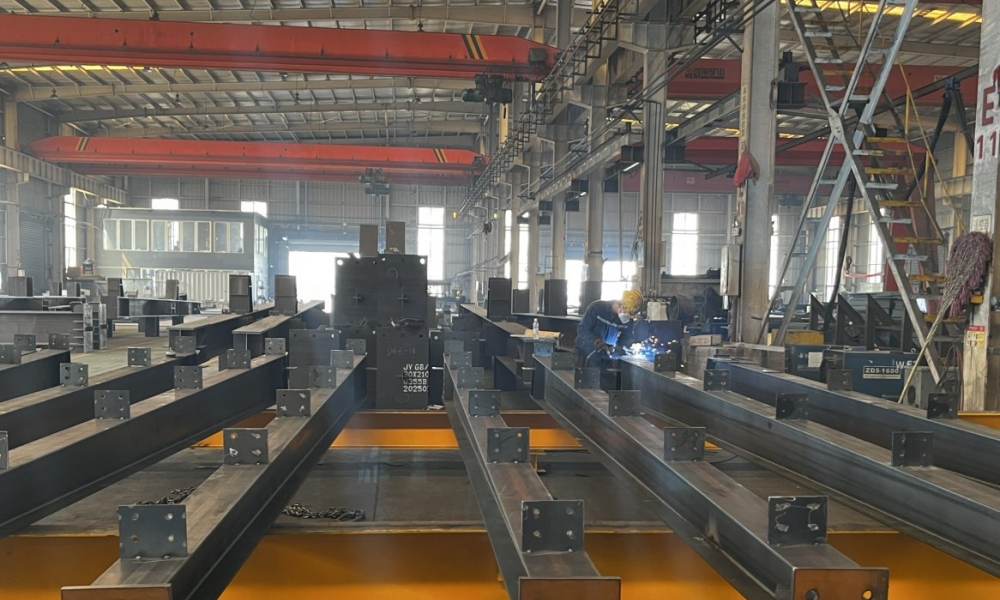
What Certifications and Quality Management Systems Should a Steel Structure Factory Possess?
A comprehensive certification system not only signifies that an enterprise meets international quality management requirements but also demonstrates that the factory has established standardized production processes, ensuring consistent product quality and reliable project delivery.
International certifications reflect management standards
For steel structure projects, certification is more than just a certificate; it indicates whether the enterprise operates in accordance with international standards.
For instance, ISO 9001 focuses on quality management systems, ISO 14001 addresses environmental management, and ISO 45001 deals with occupational health and safety. Collectively, these certifications reflect the existence of standardized processes regarding production organization, quality control, and safety management.
If a project involves exports to Europe, it is also essential to ensure compliance with relevant local standards and verify that the factory possesses the necessary testing capabilities.
Quality control spans the entire manufacturing process
True quality management does not begin only after the product is finished; rather, it permeates the entire process—from raw material procurement, processing, and welding to anti-corrosion treatment and final factory acceptance.
Established steel structure factories typically maintain comprehensive quality records, including material test reports, welding records, dimensional inspection data, anti-corrosion test results, and factory acceptance documentation. These records facilitate project acceptance and ensure product traceability.
Certification / Document | Primary Purpose |
ISO 9001 | Verifies the manufacturer's Quality Management System (QMS). |
ISO 14001 | Demonstrates compliance with Environmental Management System (EMS) standards. |
ISO 45001 | Confirms Occupational Health and Safety Management practices. |
Mill Test Certificate (MTC) | Certifies the chemical composition and mechanical properties of raw steel materials. |
Welding Procedure & Records | Documents welding procedures and verifies welding quality and traceability. |
Inspection Report | Confirms that fabricated steel components meet project specifications and quality requirements. |
What Types of Buildings Can Chinese Steel Structure Factories Typically Produce?
With continuously improving manufacturing capabilities, Chinese steel structure factories can undertake a wide range of building types—from industrial and public buildings to agricultural facilities—offering customized designs and production tailored to specific project requirements.
Industrial and commercial buildings remain the primary applications
Industrial plants, logistics warehouses, and manufacturing workshops remain the sectors where steel structures are most widely utilized.
Compared to traditional construction, steel structures offer advantages such as shorter construction cycles, larger spans, and ease of future expansion, making them a popular choice in the manufacturing and warehousing/logistics industries.
Additionally, commercial exhibition centers, shopping malls, and office buildings are increasingly adopting steel structure solutions to meet modern architectural demands for spatial flexibility and construction efficiency.
Growing Demand for Customized Steel Buildings
In recent years, steel structures have increasingly been adopted for specialized buildings such as aircraft hangars, sports arenas, agricultural facilities, cold storage warehouses, and large-scale equipment workshops.
These projects often require designs tailored to specific spans, heights, load requirements, and operating environments, making the engineering team's experience crucial.
For a comprehensive steel structure manufacturer, different building types represent merely different application scenarios; the core manufacturing and engineering management systems remain consistent.
What Is the Process From Design to Shipment for Steel Structure Buildings?
A mature steel structure project typically involves several stages—conceptual design, detailed modeling, manufacturing, quality inspection, and packaging/shipping—with each step directly impacting the final quality of the delivery.
Early-Stage Design Determines Subsequent Efficiency
Once a project begins, the engineering team completes the structural design based on dimensions, intended function, and local building codes, followed by detailed modeling.
This stage determines not only steel consumption but also the efficiency of subsequent fabrication, transportation, and on-site installation; therefore, close communication between the design team and the manufacturing department is essential.
Standardized Production Ensures Delivery Quality
Following design completion, the steel undergoes a series of production steps: cutting, assembly, welding, straightening, anti-corrosion treatment, and quality inspection.
Each process is inspected against established standards to ensure that component dimensions, weld quality, and surface treatments meet design specifications. After inspection, products are packaged according to the chosen transport method, and export documentation is prepared.
Conclusion
Choosing a Chinese steel structure factory is essentially choosing an engineering team that can grow alongside your project.
While manufacturing capability is important, the true determinants of project success are design expertise, quality management, engineering experience, and the ability to provide ongoing support. When these elements form a cohesive system, the factory can not only meet production deadlines but also provide professional support throughout the project's lifecycle.
If you are planning an industrial plant, logistics warehouse, commercial building, or other steel structure project, consider evaluating potential partners based on their engineering capabilities rather than just price. Only a manufacturer with comprehensive capabilities can consistently create value across future projects.
FAQs about Chinese Steel Structure Factories
1. What types of projects are suitable for Chinese steel structure factories?
Suitable for various building types—such as industrial plants, warehouses, commercial buildings, aircraft hangars, agricultural structures, and sports venues—with designs that can be customized to meet specific project requirements.
2. How can one determine if a steel structure manufacturer has export experience?
Check for overseas project references, export destinations, and relevant certifications, as well as their familiarity with international shipping and installation procedures.
3. Does a larger factory size guarantee better quality?
Not necessarily. While size reflects production capacity, factors such as the design team, quality management, and project experience are equally important.
4. Why is the engineering team more important than the equipment?
An excellent engineering team can optimize structural design, minimize material waste, and ensure alignment between design and manufacturing, thereby enhancing the overall quality of the project.
5. What kind of technical support do steel structure manufacturers typically provide?
Services include conceptual design, detailed shop drawings, bills of materials, quality documentation, packaging plans, and remote installation guidance.
6. Do all steel structure projects require custom design?
Most industrial and commercial projects are custom-designed based on the building's intended use, span, load requirements, and local regulations to ensure structural safety and operational efficiency.
7. Why is a quality management system so important?
Standardized quality management ensures product consistency and traceability while reducing the risk of issues arising during subsequent installation and maintenance.
8. Is price the most important factor when selecting a steel structure manufacturer?
While price is certainly a consideration, for large-scale projects, factors such as design capability, manufacturing quality, delivery reliability, and long-term service capabilities often have a greater impact on the project's overall value than the quoted price alone.