9 Major Challenges and Solutions for Steel Structure Logistics Warehouses
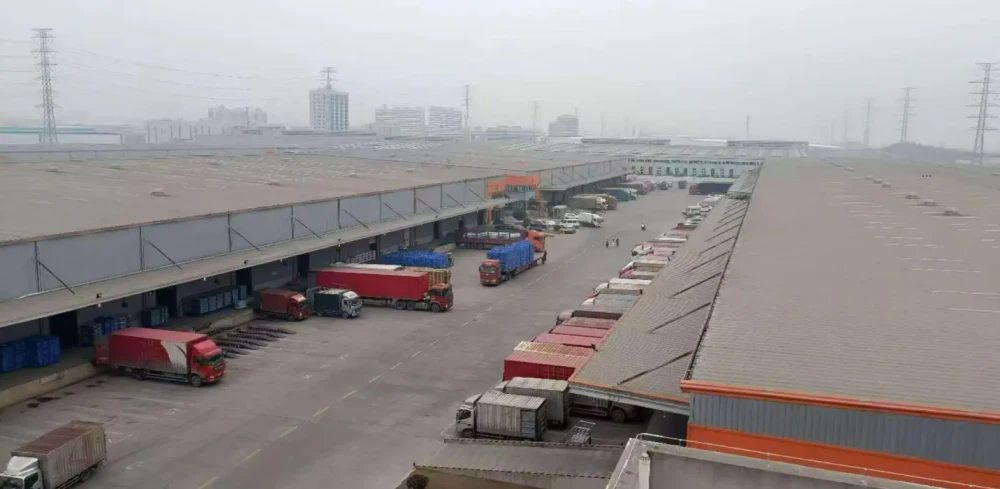
Introduction
Before you decide to adopt a steel structure logistics warehouse, do you also have such concerns: Will the steel corrode easily? Is it safe in case of fire? How effective is the thermal insulation? Will the subsequent maintenance costs be high? These questions may seem simple, but they are directly related to the service life, operating costs and overall return on investment of the warehouse in the next few decades. Therefore, they are also the topics that many companies are most concerned about during the project planning stage.
In fact, steel structure logistics warehouses are not "without challenges", but most problems already have mature engineering solutions. What really affects the quality of the project is often not the steel structure itself, but whether the design is reasonable, whether the materials match, whether the construction is standardized, and whether the supplier has sufficient engineering experience.
This article will analyze the nine most common challenges of steel structure logistics warehouses, help you understand the causes of each problem, and combine it with solutions in actual projects to provide a more valuable decision-making basis for your warehouse project.
Why is it important to understand these challenges?
When choosing a logistics warehouse, many companies will focus on the construction cost and construction period, but tend to ignore the long-term performance of the building after it is put into use. In fact, whether a warehouse is worth investing in does not only depend on the initial cost, but also is closely related to subsequent maintenance costs, energy consumption, service life and expansion capabilities.
Understanding the problems that steel structure logistics warehouses may encounter in advance is not to deny this form of construction, but to help you be fully prepared before the project starts. When you know which risks can be avoided in advance and which problems already have mature solutions, you can more confidently formulate budgets, select materials and screen suppliers, and avoid increasing later costs due to insufficient information.
The following challenges are some of the most frequently mentioned issues in logistics warehouse projects. Understanding the reasons for their formation and solutions will help you more objectively evaluate whether the steel structure logistics warehouse is suitable for your project.
Challenge 1: Steel corrosion risk
One of the biggest advantages of steel structures is their high strength and light weight, but the first thing many investors worry about is whether they are prone to rust. This concern is even more obvious when planning to build logistics warehouses in coastal areas, near ports, or in high-humidity environments.
Why does corrosion occur?
Steel itself does not "certainly rust". What really affects its durability is the environment and whether anti-corrosion measures are in place.
For example, in coastal areas, high salt spray will accelerate the oxidation rate of steel surfaces; corrosive gases in chemical industrial parks may also affect steel. If steel components are exposed to a humid environment for a long time and effective protective measures are not taken, problems such as rust and paint peeling may occur over time.
However, in modern steel structure projects, these conditions have already been fully considered. For warehouses in different regions and uses, engineers will choose the corresponding anti-corrosion levels based on environmental conditions, rather than adopting a unified treatment method.
How to reduce the risk of corrosion?
At present, relatively mature methods include hot-dip galvanizing, anti-corrosion primer, weather-resistant topcoat and multi-layer protection system. For areas close to the coast or with high humidity, the anti-corrosion level will be increased based on the age of use to further extend the life of the building.
In addition, some detailed designs are equally important. For example, a reasonable drainage system can prevent water from staying on the surface of steel components for a long time; regular inspection of whether the coating is intact can also detect problems at an early stage and avoid the gradual expansion of small-scale corrosion.
In other words, whether the steel structure warehouse is durable depends more on whether the anti-corrosion design is reasonable rather than whether the steel itself is prone to rust.
Challenge 2: Fire performance concerns
Compared with concrete buildings, steel structure logistics warehouses are often labeled as "non-fire-resistant", which is also one of the issues that many investors are most concerned about during the consultation stage.
Why do people worry about fire prevention?
In fact, steel itself is a non-combustible material and does not burn like wood. What really needs attention is that when a building is in a high temperature environment for a long time, the strength of the steel will gradually decrease, thus affecting the structural load-bearing capacity.
If the warehouse stores general goods, this risk can usually be controlled through standardized design; but if it involves flammable goods, high-value goods or special industries, the requirements for building fire protection levels will be higher.
Therefore, the fire protection design of modern logistics warehouses no longer simply relies on the steel structure itself, but adopts a complete set of systematic solutions.
How to improve the fire protection capabilities of steel structure warehouses?
Common measures currently include spraying fire-retardant coatings, covering fire-retardant boards, setting up automatic sprinkler systems, and improving smoke exhaust systems. These measures can delay the rise in steel temperature when a fire occurs and buy more time for personnel evacuation and fire rescue.
At the same time, the professional design team will also conduct overall planning for fire protection zones, evacuation routes and fire protection facilities in accordance with local building codes to ensure that the project can meet local fire protection acceptance requirements.
Therefore, instead of worrying about whether the steel structure is safe, it is better to pay attention to whether the supplier has complete fire protection design experience. Reasonable design solutions are often more important than the materials themselves.
Challenge 3: Thermal insulation and energy consumption
Many people believe that steel structure warehouses are prone to stuffiness in summer and heat dissipation in winter, so the thermal insulation performance must be worse than that of concrete buildings. In fact, this view is not entirely accurate.
Why is the thermal insulation effect poor?
The thermal conductivity of steel is indeed higher than that of concrete, but what really determines the indoor temperature is not the steel beams or columns, but the roof and wall enclosure systems.
If the warehouse uses single-layer color steel plates, heat will be quickly transferred indoors after direct sunlight in summer; heat loss will easily occur in winter. This is also an important reason why some old steel structure warehouses leave the impression of "cold in winter and hot in summer".
How to improve the energy-saving performance of warehouses?
Nowadays, most modern logistics warehouses use insulated sandwich panels as enclosure materials, such as rock wool sandwich panels, glass wool or polyurethane insulation panels. These materials can not only effectively reduce heat transfer, but also take into account sound insulation, fire protection and other properties.
If your project has high temperature control requirements, such as cold chain logistics, food storage, or pharmaceutical warehouses, you can also add roof insulation, thermal break bridge design, and energy-saving door and window systems to improve the overall energy efficiency of the building.
Therefore, rather than saying that the steel structure has poor thermal insulation performance, it is better to say whether the enclosure system is reasonable or not, which is the key factor that really affects the energy consumption of the warehouse.
Challenge 4: Roof noise is louder on rainy days
If you have visited some old factory buildings, you may have noticed that the noise from the roof is very obvious when it rains. This is also one of the reasons why many customers are worried about the comfort of steel structure logistics warehouses.
Why does it make noise on rainy days?
This phenomenon mainly occurs in buildings with single-layer color steel plate roofs. When raindrops directly hit the steel plate, a loud impact sound will be produced. If there are office areas inside the warehouse, long-term noise may affect employees' work experience.
However, this is not a problem with the steel structure itself, but is caused by the relatively simple configuration of the roof system.
How to reduce roof noise?
Modern logistics warehouses generally adopt double-layer roofs or insulated sandwich panel structures, with sound insulation materials such as rock wool and glass wool added in the middle. This can not only reduce the noise caused by rainwater impact, but also improve the insulation performance.
For warehouses with offices or duty areas, sound-absorbing ceilings, soundproof wall panels and other measures can be combined to further improve the indoor environment, so that both the storage area and the office area can have a balanced use experience.
Therefore, if you adopt a modern steel structure warehouse system, noise in rainy days is usually not a major concern.
Challenge 5: Is post-maintenance complicated?
Many people believe that steel structure warehouses require little management after completion; others believe that its maintenance costs will be much higher than those of concrete buildings. In fact, both views are somewhat one-sided.
What maintenance does a steel structure need?
Steel warehouses do require regular inspections, but the focus of maintenance is more on prevention than repair.
For example, checking whether the anti-corrosion coating is aging, whether the high-strength bolts are loose, whether the roof drainage is smooth, whether the sealant is cracked, etc., are all routine maintenance contents. These tasks can usually be completed in conjunction with an annual inspection and do not take up much time or expense.
How to reduce long-term maintenance costs?
Rather than waiting until a problem occurs before repairing it, it is often more economical to establish a system of regular inspections. Detecting and dealing with small problems in time can not only extend the service life of the building, but also prevent local damage from turning into large-scale repairs.
For logistics companies, stable operations are more important than frequent maintenance. Therefore, selecting high-quality materials, standardizing construction, and formulating follow-up maintenance plans during the project construction phase are often more valuable than simply pursuing the lowest cost.
Maintenance is not a burden on steel structure warehouses, but an important part of ensuring the long-term safe operation of the building. As long as the early design is reasonable and the construction is standardized, the subsequent maintenance work is usually relatively simple and the cost is controllable.
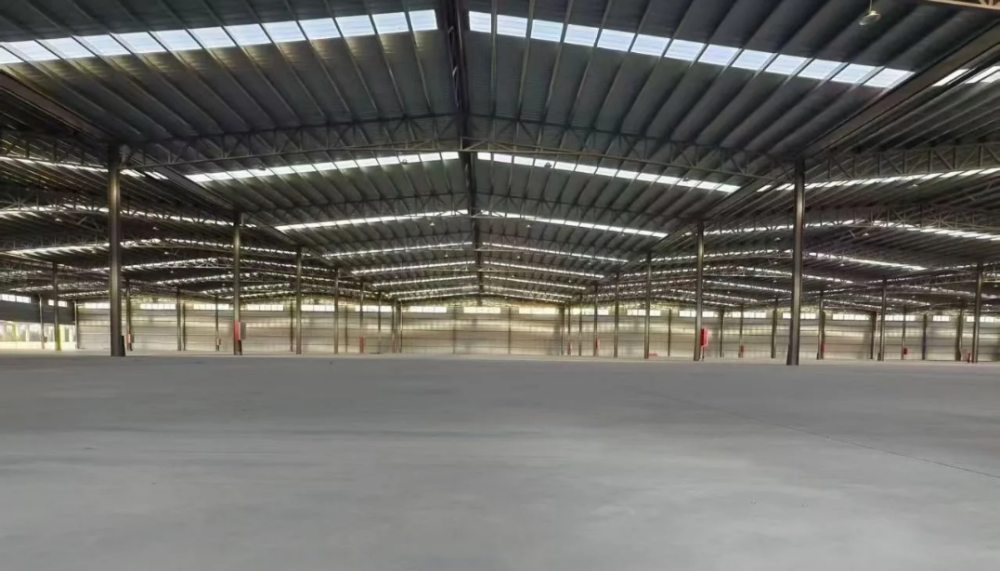
Challenge 6: High design and manufacturing accuracy requirements
There is an obvious difference between steel structure logistics warehouses and traditional cast-in-place buildings: most components are processed in the factory and then transported to the site for installation. This construction method not only improves construction efficiency, but also means that every component must be "perfectly fit." Once there are deviations in design or processing, on-site installation may be affected.
Why do steel structures require higher precision?
You can understand the steel structure warehouse as a large "assembly system". From steel columns and steel beams to purlins and roof panels, every component has its corresponding position and size. If there are errors in the early design, or the processing accuracy is insufficient, problems such as bolt holes not being aligned, component connection difficulties, and uneven roof installation may occur.
Although these problems are uncommon, if they occur, they will not only increase the cost of rework, but may also delay the delivery time of the entire project. Therefore, steel structure engineering competes not only with materials, but also with design capabilities and manufacturing capabilities.
How to ensure engineering accuracy?
Today, mature steel structure manufacturing companies generally use BIM three-dimensional modeling, CNC cutting, automatic welding and digital production management to conduct precise processing and quality inspection of each component. Some large-scale projects will even be pre-assembled in the factory to verify in advance whether the components can be installed smoothly.
For you, when choosing a supplier, instead of blindly comparing prices, you should pay attention to whether the other party has a complete design team, advanced production equipment and a strict quality management system. High-precision manufacturing not only means smoother installation, but also reduces on-site adjustments and improves overall construction efficiency.
Challenge 7: How to deal with extreme weather?
Logistics warehouses usually need to be used continuously for decades. Therefore, whether the building can adapt to the local natural environment is an issue that many investors will consider. Especially in areas prone to typhoons, blizzards, strong winds or earthquakes, the requirements for building safety will be higher.
What are the impacts of extreme weather?
The environmental conditions faced by different regions are not the same. For example, coastal areas need to focus on wind resistance; cold areas need to withstand larger snow loads; and projects in seismic zones also need to meet corresponding seismic design requirements.
If a unified standard solution is adopted without special design based on the location of the project, it may result in the building being unable to meet local regulations and even affecting long-term safety.
How to improve the environmental adaptability of steel structure warehouses?
Modern steel structure logistics warehouses are not standardized products, but are customized and designed according to the actual conditions of the project location. The engineering team will combine the local wind load, snow load, earthquake intensity and building codes to calculate the stress of the main structure and optimize the node connections and overall stability.
The steel structure itself has the characteristics of light weight and good toughness. Under the premise of reasonable design, it can better adapt to the complex natural environment. Therefore, what really affects the safety of a building is not the material itself, but whether the design complies with local engineering standards.
Challenge 8: Cost risks caused by steel price fluctuations
For many companies, project budget is an important factor in deciding whether to invest. Compared with traditional building materials such as concrete, steel prices are more affected by the international market, so many customers are worried that project costs will exceed their budgets due to rising steel prices.
Why do steel prices fluctuate?
Steel is an international commodity, and its price will be affected by many factors such as raw material costs, market supply and demand, international trade policies, and transportation costs. Therefore, there may be certain differences in steel procurement costs when projects are launched at different times.
However, it should be noted that the price of steel is only a part of the overall project cost and is not the only factor that determines project investment. Construction efficiency, labor costs, post-maintenance costs and construction period will also affect the overall cost of the project.
How to reduce budget risk?
If you have determined the project plan, you can communicate with the supplier in advance about the procurement time, reasonably lock in the steel price, and reduce the impact of market fluctuations. At the same time, by optimizing the structural design and improving material utilization, the amount of steel can also be effectively controlled to avoid unnecessary waste.
In the long term, steel structure logistics warehouses can usually make up for some of the impact of material price fluctuations through faster construction speed, lower labor input and higher operational efficiency. Therefore, when evaluating investment, it is recommended to focus on the life cycle cost of the entire project rather than simply comparing steel prices.
Challenge 9: How to choose a trustworthy steel structure supplier?
After you understand the previous challenges, you may find one thing in common: whether it is anti-corrosion, fire protection, thermal insulation, or wind and earthquake resistance, most problems actually have mature solutions.
What really determines the final quality of the project is not the building form of the steel structure, but whether the suppliers responsible for design, manufacturing and construction are professional enough.
Why is supplier capability so important?
In actual projects, problems occur in many projects not because of defects in the steel structure itself, but due to insufficient design experience, low processing accuracy, inadequate quality control, or lack of complete installation guidance.
For example, for the same logistics warehouse, different suppliers may adopt different structural solutions, material grades and enclosure system configurations, which will not only affect the building performance but also the subsequent operating costs. If the supplier lacks experience in overseas projects, it may also affect approval or construction progress due to lack of understanding of local building regulations.
How to tell if a supplier is reliable?
Rather than simply comparing quotations, it is recommended to comprehensively evaluate the overall strength of the supplier. You can focus on the following aspects:
·Whether it has a professional structural design team;
·Whether it has mature steel structure production capabilities and quality management system;
· Whether it can be designed in accordance with the building codes of the project location;
·Whether installation guidance and after-sales technical support are provided;
·Do you have rich logistics warehouse or industrial construction project cases?
An experienced partner can not only help you complete the construction itself, but also provide professional advice on program optimization, cost control, project management, etc., to reduce project risks from the source.
Are steel-structure logistics warehouses still a worthwhile investment?
Yes. For the vast majority of modern logistics, warehousing, and industrial projects, steel-structure warehouses remain a top-priority building solution.
Aspects such as corrosion resistance, fire protection, thermal insulation, and wind-resistant design are integral to modern construction engineering. Thanks to continuous advancements in design technology, manufacturing processes, and building materials, today’s steel-structure logistics warehouses can meet the rigorous demands for safety, durability, and operational efficiency required by most logistics projects.
For businesses, it is crucial to look beyond the single metric of "initial construction cost" and evaluate the project based on the building's entire lifecycle. A logistics warehouse that offers a shorter construction period, superior space utilization, and easier future expansion capabilities often generates greater value over decades of operation.
If you are planning a new logistics center, distribution warehouse, or industrial storage facility, steel construction remains a premier choice. The key is to engage a professional design team and an experienced manufacturer right from the project's inception, ensuring that every stage is grounded in sound engineering and reliable quality.
As a professional manufacturer of steel-structure buildings, WZHbuild provides global clients with one-stop services ranging from conceptual design to steel fabrication. We are dedicated to helping clients create highly efficient logistics warehouses that deliver long-term value through reliable engineering solutions and consistent product quality.
Frequently Asked Questions (FAQ)
1. Are steel-structure logistics warehouses prone to rusting?
No. A steel structure's susceptibility to corrosion depends primarily on its environment and the adequacy of its anti-corrosion measures. Modern steel warehouses typically utilize proven techniques such as hot-dip galvanizing and anti-corrosion coatings, ensuring a long service life even in coastal or high-humidity regions.
2. Are steel-structure logistics warehouses safe?
Yes, they are safe. Provided the structural design complies with local building codes and incorporates robust fire, wind, and seismic protection measures, steel-structure logistics warehouses meet the safety requirements of most industrial and logistics projects.
3. Are maintenance costs for steel-structure warehouses high?
Generally, no. Routine maintenance primarily involves inspecting anti-corrosion coatings, connection joints, drainage systems, and seals. Regular inspections can effectively minimize future repair costs and extend the building's lifespan.
4. Which industries are steel-structure logistics warehouses suitable for? Steel-structure logistics warehouses are widely used in sectors such as e-commerce warehousing, third-party logistics, manufacturing, cold chain logistics, cross-border logistics centers, and industrial distribution hubs. They are particularly well-suited for enterprises requiring rapid construction, large-span open spaces, and the flexibility for future expansion.
5. How do you select the right supplier for a steel-structure logistics warehouse?
It is advisable to prioritize suppliers that possess a mature design team, extensive project experience, a robust quality management system, and the capability to provide technical support for installation. Rather than simply seeking the lowest price, partnering with a provider capable of delivering comprehensive solutions better ensures project quality, cost control, and the mitigation of operational risks down the line.